
Why is hydrogen important to the transition toward green energy?
Hydrogen can replace fossil fuels in some applications without emitting carbon dioxide at the point of use. Like electricity, it is an energy carrier. It may also help decarbonize sectors where direct electrification is difficult, such as heavy industry and long-distance transport.
Producing green hydrogen with renewable electricity could connect cleaner power generation with new industrial uses as Bangladesh plans its future energy mix.
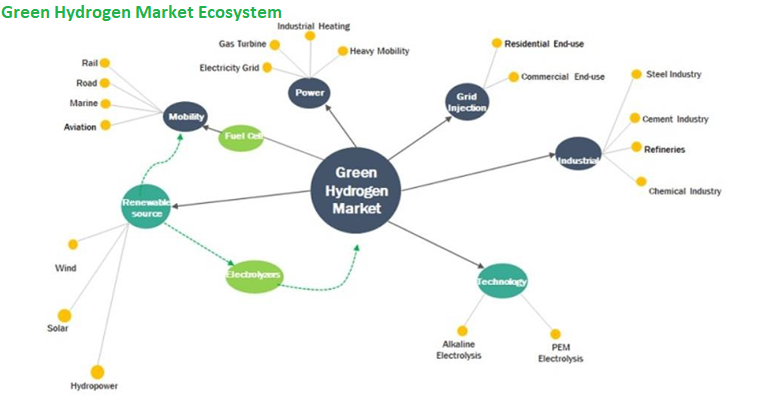
Green Hydrogen vs Fossil Fuels
- Hydrogen can be produced from water using renewable electricity.
- It can be transported and used away from where it is produced.
- Surplus renewable power can be converted into hydrogen and stored for later use.
- Hydrogen has high energy content by mass, though storage and transport need suitable infrastructure.
- It can support electricity, heat, and industrial processes where practical.
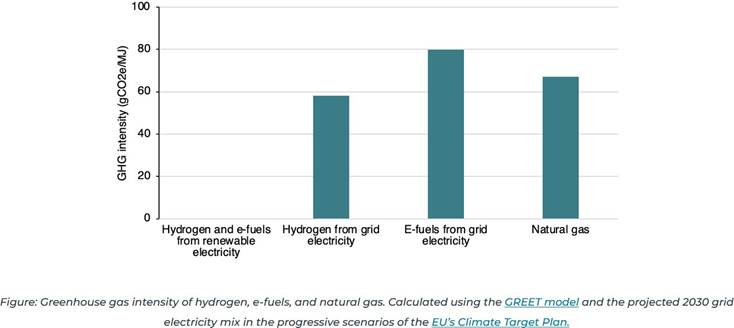
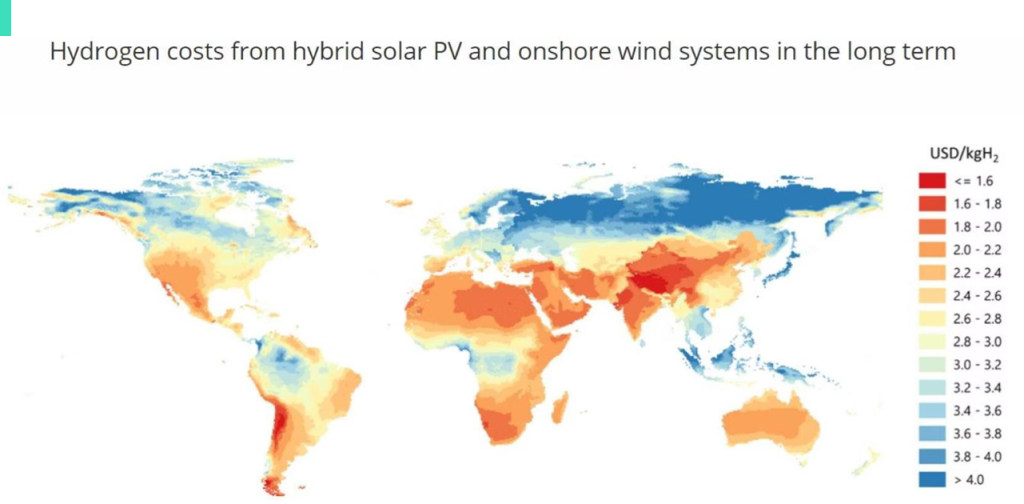
Is green hydrogen production profitable?
Green hydrogen is a growing market, but production costs and infrastructure remain important challenges. Project economics depend on access to affordable renewable electricity, efficient equipment, transport, and a dependable buyer.
As technologies mature and markets develop, green hydrogen may become more competitive in selected applications. Each project needs its own technical and financial assessment.
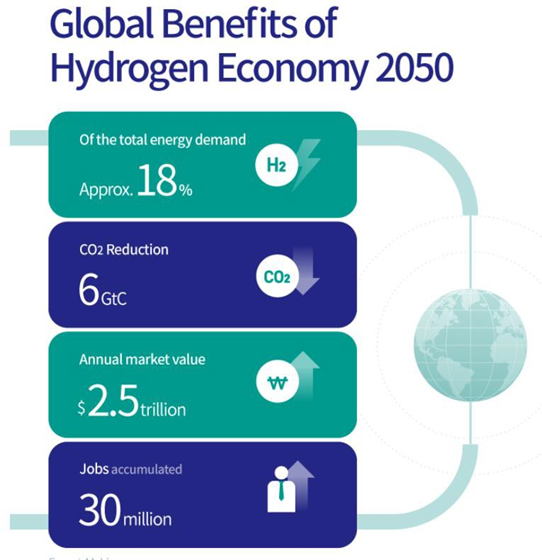
Benefits and impacts of green hydrogen to society
Green hydrogen can provide a path to lower emissions in sectors that are difficult to electrify. It can also encourage investment in renewable generation, engineering skills, transport, and new energy infrastructure.
Its wider benefit depends on responsible production, water and land use, efficient delivery, and a clear role within the broader energy system.
Discuss green hydrogen opportunities.
Connect with Beringia Energy Global for current information about this initiative.