
Grid-connected solar
Shadow-free residential, commercial, and industrial installations using panels from leading manufacturers.
- Remote mobile and web monitoring
- Export surplus energy to the grid
- 5-year system warranty in the proposal
Affordable commercial rooftop solar, resilient storage, and flexible financing for businesses across Bangladesh.
Energy with integrity · People, service, and long-term support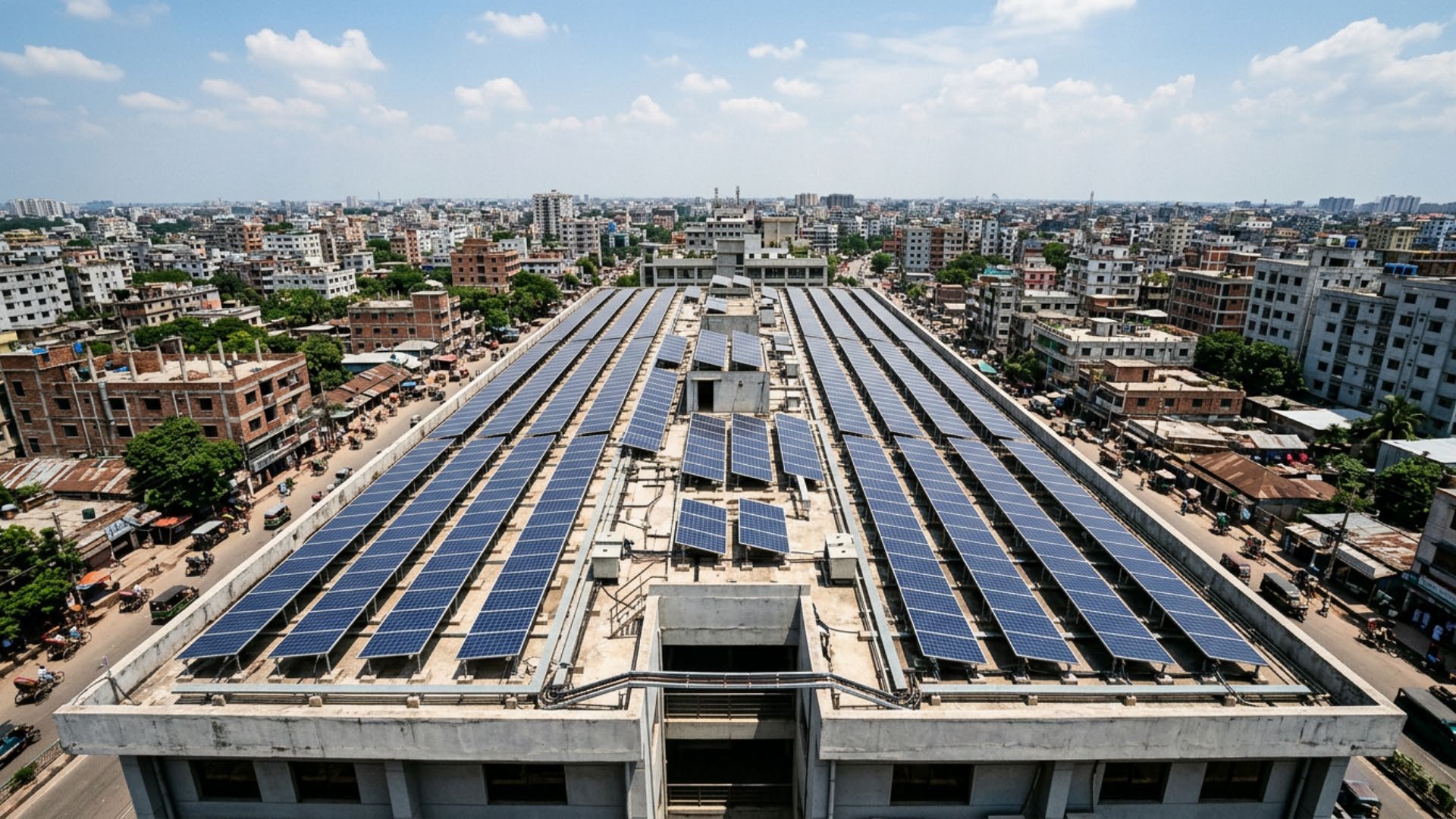
The proposal traces the business to 2003, when three Houston colleagues—Jim, Munzal, and Tom—started a 14-person venture built around people, integrity, and service. The company began as Trove and SA Power and is now known as Beringia.
Its residential and commercial solar offering has grown, while the promise remains the same: dependable energy with integrity.
Choose the configuration that fits your roof, power needs, and exposure to grid interruptions.
Shadow-free residential, commercial, and industrial installations using panels from leading manufacturers.
Pair solar with storage for homes and offices that need power through grid outages.
Give each panel its own micro-inverter to improve output when shade or roof orientation varies.
The PDF also describes in-house panel manufacturing for durability and affordability. Product configuration and warranty terms should be confirmed for each project.
According to the supplied October 2026 proposal, regulatory reform, fuel-price volatility, and net-metering adoption are supporting solar growth.
The PDF presents more than one cost scenario. These are proposal figures, not a site-specific quote.
The proposal's model has developers finance, install, and maintain the system, with power sold to the customer.
A separate on-site generation range appears in the proposal's operations and recommendation pages.
Quoted tariffs, savings, system price, and eligibility depend on design, load, roof conditions, contract terms, and applicable policy.
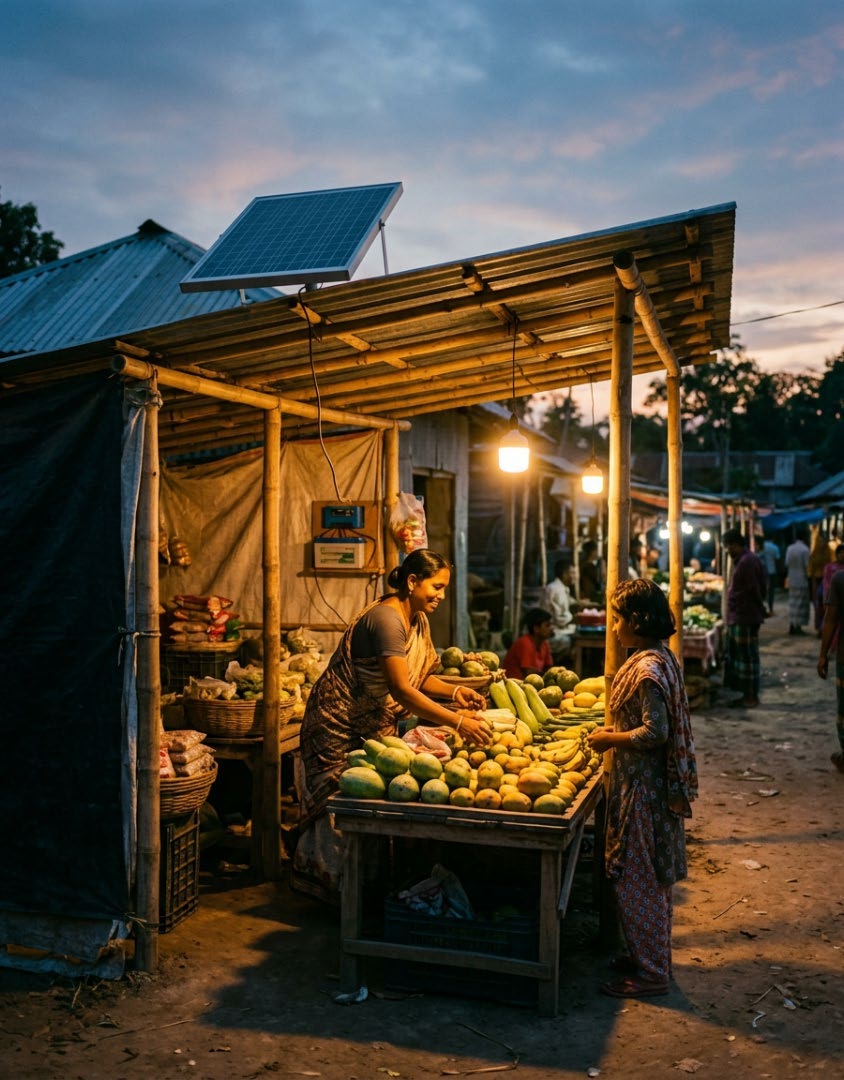
The proposal also highlights off-grid home systems and community microgrids for remote villages. Reliable power can help merchants trade later, support solar pumps and cold storage, and keep phones charged for mobile money and local commerce.
The proposal cites research associating solar PV adoption with improved electricity access and agricultural value added.
The following points reflect the supplied October 2026 proposal and should be verified against current rules during development.
The proposal describes bidirectional metering for rooftop PV owners to export surplus power and settle net imports each billing cycle.
The proposal cites a July 2025–June 2030 program: 100% relief for 10 years, then 50% for 3 years and 25% for 2 years, subject to eligibility and current law.
Daytime solar can ease pressure during gas shortages and fuel-import volatility. The proposal cites a 5,000 MW solar goal while recognizing land, policy, and implementation constraints.
A proposed repayment structure links monthly EMIs or lease rentals to projected solar output, helping businesses align payments with expected generation and manage cash flow during the transition.
Discuss financingThe proposal projects roughly 450–500 MW of annual PV additions to 2030 and cumulative capacity around 3.6–3.7 GW. That remains below the 10 GW solar target cited in the PDF, leaving significant headroom.
The PDF includes a separate 2031 market chart. These estimates use different horizons and should not be treated as one forecast series.
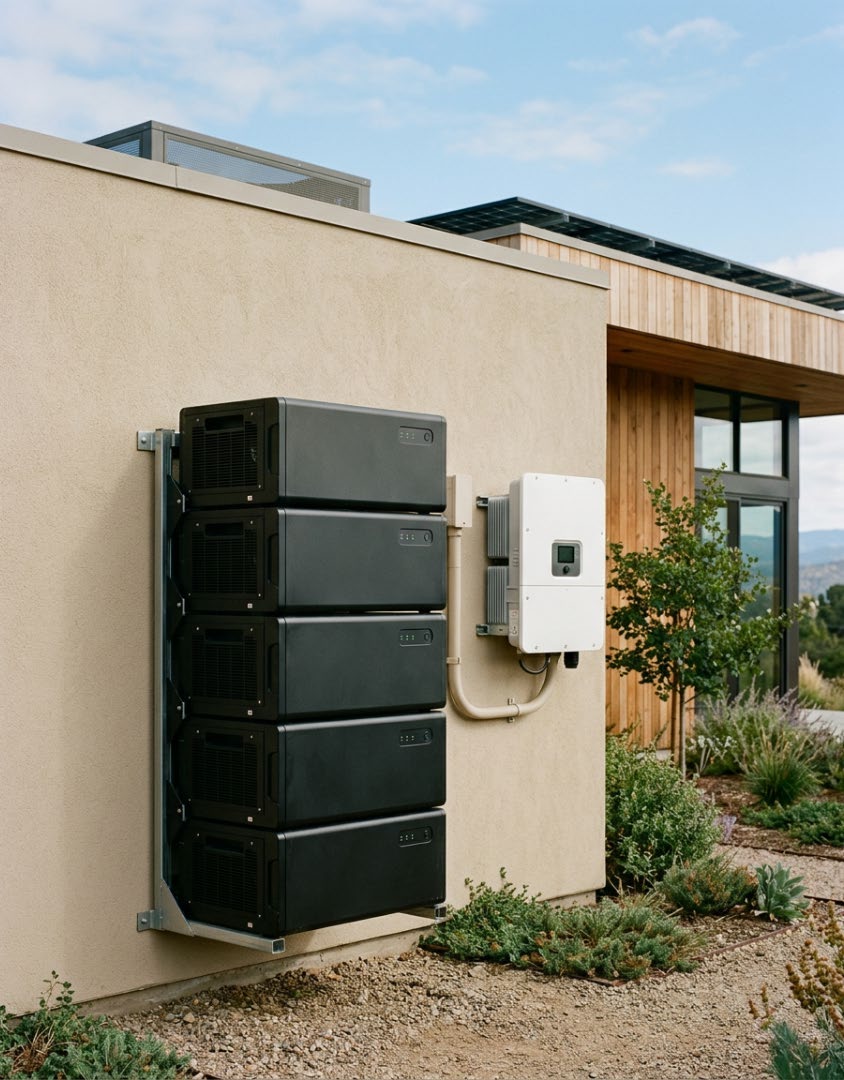
Pairing solar with storage can keep critical operations running during outages, shift surplus generation to when it is needed, and help the grid respond to changing demand.
Two units in parallel; 10 kW AC / 15 kW DC and four MPPTs.
Up to five linked units; 100 kW AC, 120 kW solar input, integrated backup.
EP Cube specifications shown in the proposal are technology examples and should be confirmed before procurement.
Small issues can cause lost energy, safety risks, and expensive repairs. The proposal describes in-house O&M for commercial and industrial solar and battery systems.

Discuss a site review, system specification, procurement, design, installation, financing, power sales, and long-term maintenance with the Beringia team.
Commercial proposal figures and policies shown above are from the supplied October 2026 brief; confirm current terms for your project.