
Carbon Credit
Carbon markets give emissions a price and create a way to exchange allowances and project-based credits. Companies use these systems within regulated programs or choose to support voluntary climate projects.
Rules differ among countries and programs. Understanding how a credit is issued, verified, transferred, and retired is essential before treating it as evidence of an emissions claim.
Executive Summary
These topics open the corresponding sections of the original CarbonCredits.com guide in a new tab.
- Carbon Credits, Carbon Offsets, Carbon Markets – an introduction
- What are carbon credits and carbon offsets?
- How are carbon credits and offsets created?
- What is the carbon marketplace?Who are the top carbon companies? (Stocks, ETFs)
- Overall size of carbon offset markets
- How to produce carbon creditsWho verifies carbon credits?
- How companies can offset carbon emissions
- Voluntary Compulsory: the biggest difference between credits and offsets
- The two types of global carbon markets: voluntary and compliance
- Corporate Social Responsibility (CSR)
- Opportunity to maximize impact
- New revenue streams
- Do carbon offsets actually reduce emissions?
- Can you purchase carbon offsets as an individual?
- Do I need carbon offsets or carbon credits?
- Why should I buy carbon credits?
- What is Blue Carbon?
- Second order effects of blue carbon credits
01. Carbon Credits, Offsets and Markets
Emissions trading programs and voluntary offset markets both put a value on greenhouse-gas emissions. They use different rules and purposes, but each creates a way to finance lower-emission activity.
02. What Are Carbon Credits and Offsets?
A compliance allowance lets an organization emit a specified quantity under a regulated cap. A project-based offset represents a measured reduction or removal compared with a defined baseline. The terms are sometimes used loosely, so the issuing program matters.
03. How Are Credits and Offsets Created?
Regulators issue allowances according to the rules of a compliance market. Offset programs issue project credits after a methodology, monitoring, and verification process establishes the quantity of emissions reduced or removed.
04. The Carbon Marketplace
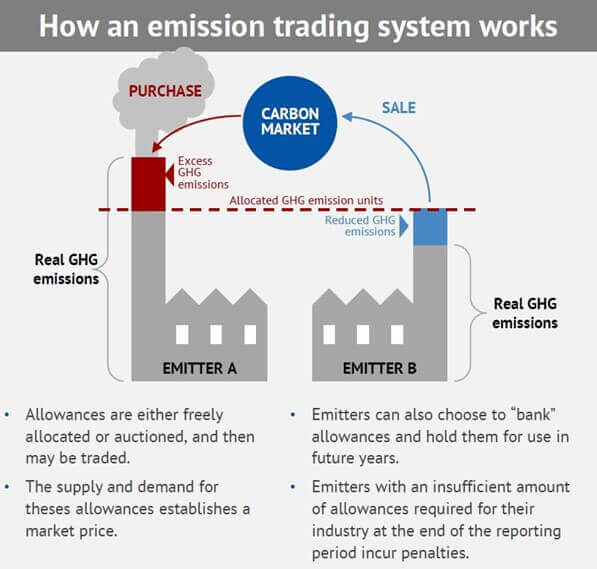
Regulated markets let covered emitters trade allowances to meet a legal cap. Voluntary markets let buyers support verified projects outside those mandatory systems. Credits are typically recorded in a registry to track ownership and retirement.
05. The Size of Offset Markets
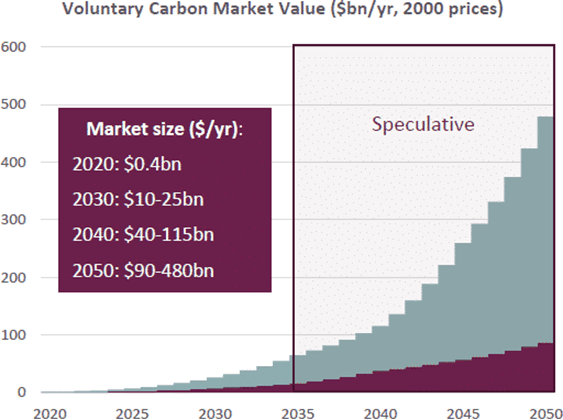
The size and value of carbon markets change with policy, demand, and confidence in credit quality. Forecasts should be read with their date and assumptions in mind.
06. Producing Carbon Credits
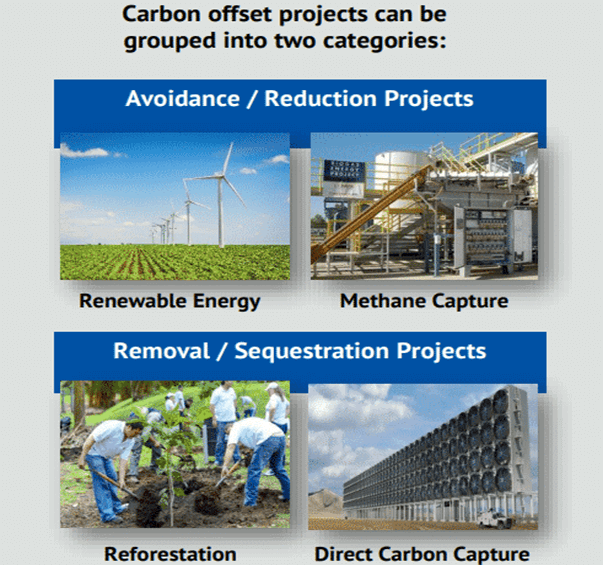
Projects may avoid emissions, reduce them, or remove greenhouse gases from the atmosphere. Documentation normally includes the project baseline, monitoring data, independent verification, and registration under a recognized standard.
07. How Companies Can Offset Emissions
Organizations first measure and reduce emissions in their own operations and supply chains. They may then purchase and retire eligible project credits for remaining emissions, subject to the rules behind their claims.
08. Voluntary and Mandatory Systems
Participation in a compliance program is required for covered organizations. The voluntary market allows participation by buyers that choose to support emissions projects without a regulatory obligation.
09. Voluntary and Compliance Markets
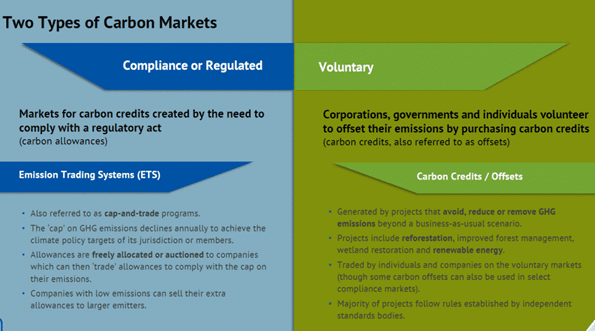
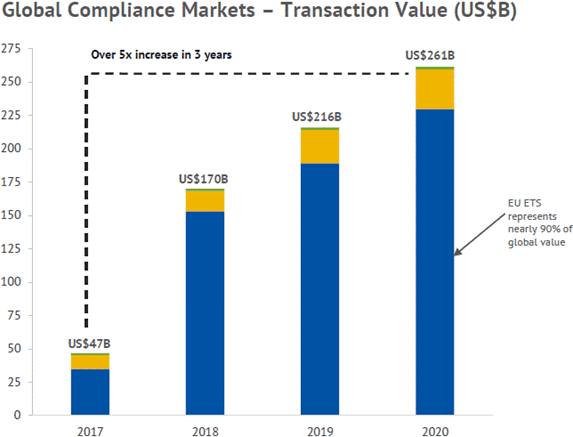
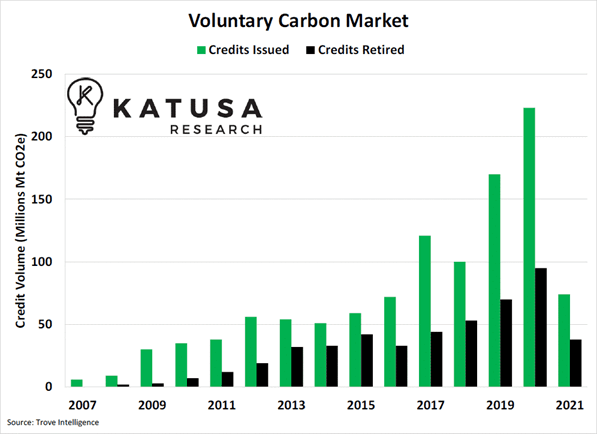
The two market types differ in governance, who can participate, and what can be traded. The following supplied graphics compare their structure and show historical market activity.
10. Corporate Social Responsibility
Carbon projects can be part of a broader sustainability program. Clear goals, transparent reporting, and evidence of real-world outcomes help stakeholders understand what a company has achieved.
11. Maximizing Impact
Project selection can consider environmental integrity and local benefits together. Buyers can review additionality, permanence, leakage risk, community safeguards, and the quality of monitoring.
12. New Revenue Streams
Where a project meets a crediting standard, verified reductions or removals may create a new source of revenue. The costs of development, verification, and long-term monitoring also need to be considered.
13. Do Offsets Reduce Emissions?
The answer depends on the project and its evidence. Credible credits require conservative baselines, additional climate benefit, independent verification, and safeguards against counting the same benefit twice.
14. Individual Purchases
Individuals can support carbon projects through voluntary credit purchases. They should review the program, project documentation, registry record, and retirement status before making a claim.
15. Offsets or Allowances?
A regulated company may need allowances to comply with an emissions cap. An organization or person seeking to support a project may look for voluntary credits. The right instrument depends on the objective.
16. Why Buy Carbon Credits?
Purchases can help fund climate projects and, in some systems, meet compliance obligations. They work best alongside direct emissions reductions and clear communication about what the purchase does and does not cover.
17. Blue Carbon
Blue carbon refers to carbon stored in coastal and marine ecosystems such as mangroves, seagrasses, and tidal marshes. Protecting these ecosystems can also support biodiversity and shoreline resilience.
18. Wider Effects of Blue Carbon
Coastal projects may affect fisheries, livelihoods, and flood protection. Project evaluation should consider these effects alongside carbon accounting and involve the communities connected to the habitat.
Explore Further
For detailed discussion and updates, visit the original guide linked in the Executive Summary.
Back to Sustainability